PoodleCollective

E-commerce & systems integration

Connect the systems
your business relies on.

We build ecommerce integrations and connected systems that keep websites, stores and business platforms working together, with data moving where it needs to without unnecessary manual work.
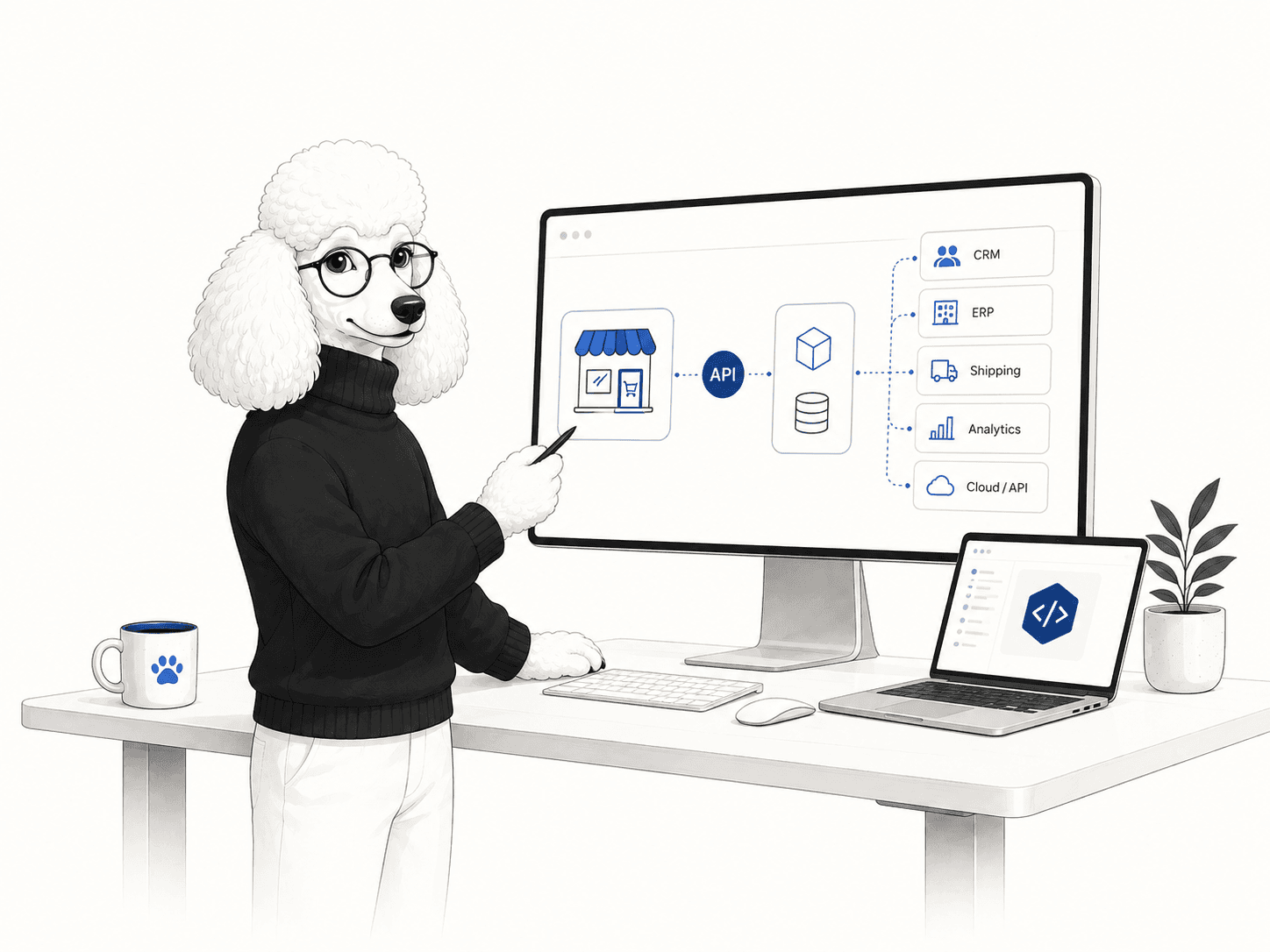
Developer presenting an ecommerce and business systems integration

Your systems should work together without creating more work.

We build integrations around the way your business actually works, connecting the systems you already rely on and reducing the need for manual processes, duplicated work and awkward workarounds.

What we connect and build

What we connect and build

We connect the systems your business already uses and build the functionality needed to make them work together properly.

API integrations

Connect websites, ecommerce platforms and business software so information can move reliably between them.

Ecommerce & ERP

Connect orders, products, stock, pricing and customer information with the systems used to run the business.

CRM & customer data

Keep customer, enquiry and order information moving between your website and CRM.

Shipping & fulfilment

Connect ecommerce workflows with couriers, warehouses, fulfilment providers and delivery systems.

Headless ecommerce

Build a separate storefront while keeping an established ecommerce platform or CMS behind it.

Data & reporting

Bring information from different systems together where a clearer operational or reporting view is needed.

Real integrations

Real integrations for real requirements.

A few examples of custom functionality we have built around specific products, workflows and business processes.
Configured-product order experience screenshot placeholder
01

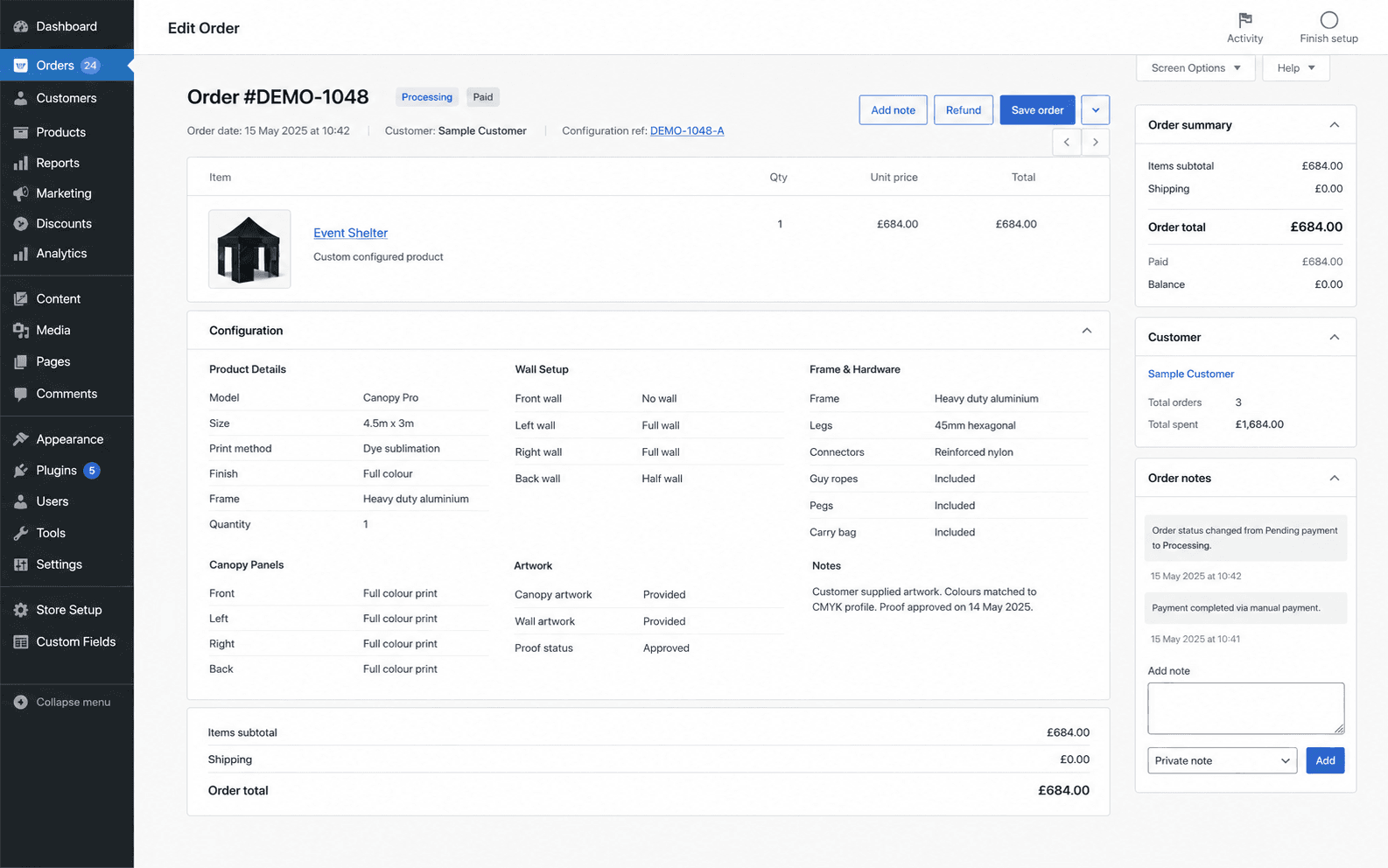
Configured-product order experience

Connecting a specialist product configurator with WooCommerce to create a clearer order workflow, accurate pricing and the right information at every stage.

  • Product configurator
  • WooCommerce
  • Custom order workflow
View this project
02

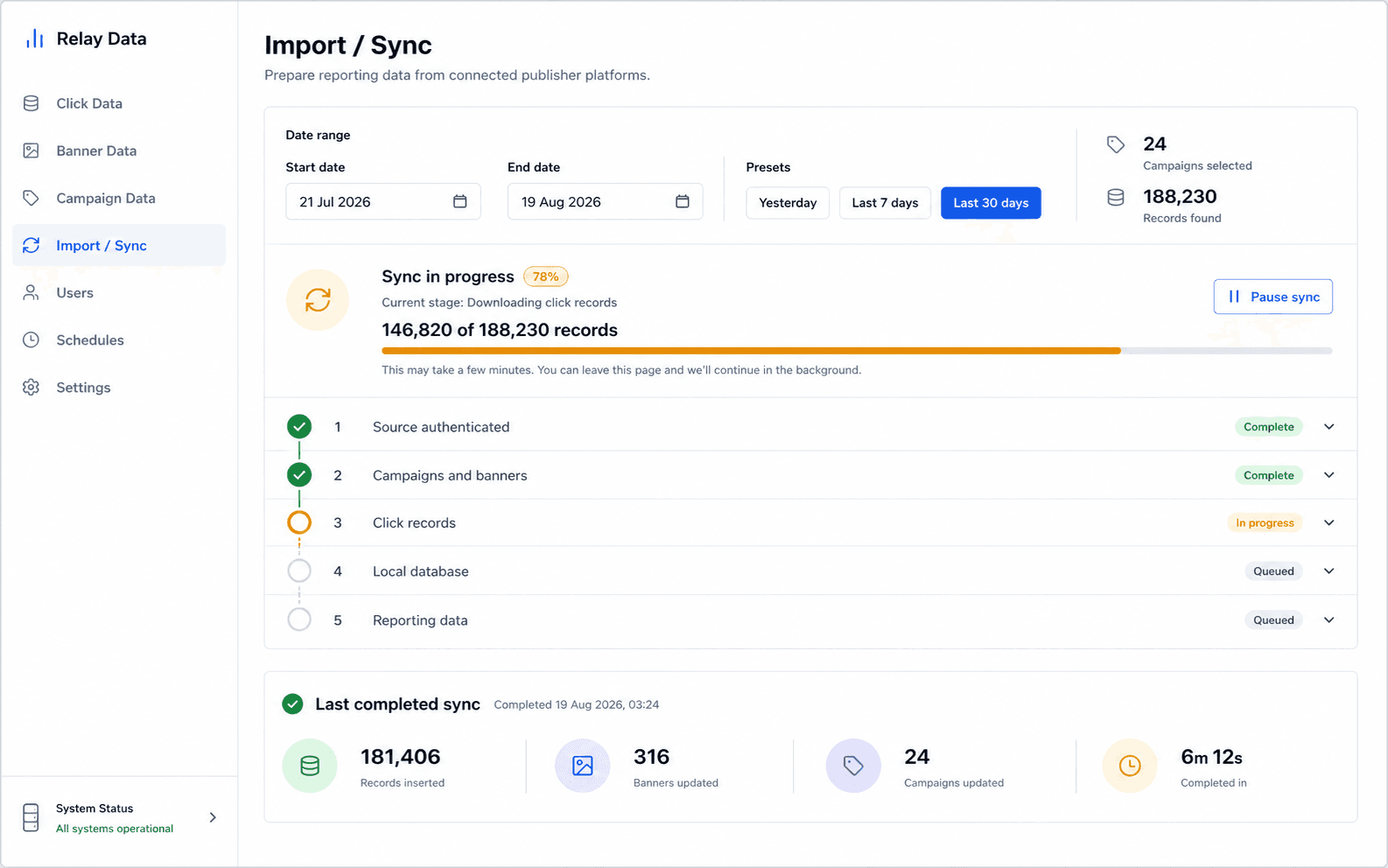
Publisher data sync hub

A resilient integration that synchronises content performance data from a legacy external platform into a central hub, making it reliable, accessible and usable across the business.

  • Legacy platform
  • Data synchronisation
  • Internal tools
View this project
Publisher data sync hub screenshot placeholder
Integration or headless setup

Connect the systems or separate the front end?

Some projects need existing systems to exchange information reliably. Others benefit from separating the website or customer-facing experience from the platform behind it. We look at the systems, data and workflow before recommending the right approach.

01

Connect existing systems

We connect platforms that already have useful roles, so information can move between them without creating another manual process.

  • Work with APIs, webhooks and existing integrations
  • Map how information needs to move between systems
  • Reduce duplicated entry and manual hand-offs
  • Make sure data transfers are reliable and failures are handled properly
  • Keep existing platforms where they still do the job
02

Separate the front end

Where the existing front end is the limitation, we can build a separate website or customer-facing experience while keeping the underlying platform working behind it.

  • Build the front end around the users and what they need to do
  • Keep existing commerce, CMS or other backend systems where appropriate
  • Connect content, products, accounts or other data
  • Define clearly which system is responsible for what
  • Plan for ongoing maintenance and future development

Frequently asked questions

Questions about system integrations

If you are planning an integration or considering a headless setup, these are some of the things clients usually want to know before we start.

Yes. Most integration projects involve systems that are already in place. We review how they currently work, what information needs to move between them and what integration options each platform provides before recommending an approach.

It depends on the system. There may be another reliable way to exchange data, such as exports, imports, webhooks or an existing integration method. If the platform does not provide a sensible way to connect to it, we will explain the limitation rather than build something fragile around it.

Yes. We can review an existing integration where data is unreliable, processes have changed or additional functionality is needed. We look at the current code, the systems involved and any third-party dependencies before agreeing what can safely be changed.

Third-party platforms can change their APIs, authentication methods or available functionality. Where appropriate, we build integrations so failures can be identified and handled clearly, and we can provide ongoing support when external changes require development work.

Not necessarily. Headless is useful where separating the front end gives a genuine advantage, but it also introduces additional systems to develop and maintain. We recommend it where it solves a real requirement, not simply because it is a newer technical approach.

No. The same approach can be used with content platforms, membership systems and other applications where the customer-facing website needs to be separate from the underlying system. Ecommerce is just one common use case.

Yes, where the systems involved allow it. Some integrations only need information to move in one direction, while others need changes to be synchronised between multiple platforms. We define which system is responsible for each piece of information before development begins.

Yes. Integrations often benefit from ongoing monitoring and maintenance because they depend on more than one system. We can support the integration, investigate failures and make changes when your requirements or the connected platforms change.

Discuss a project

Need your systems to work together?

Tell us what needs to connect, what information needs to move and where the current setup is getting in the way. We’ll review the systems involved and help determine the right approach.